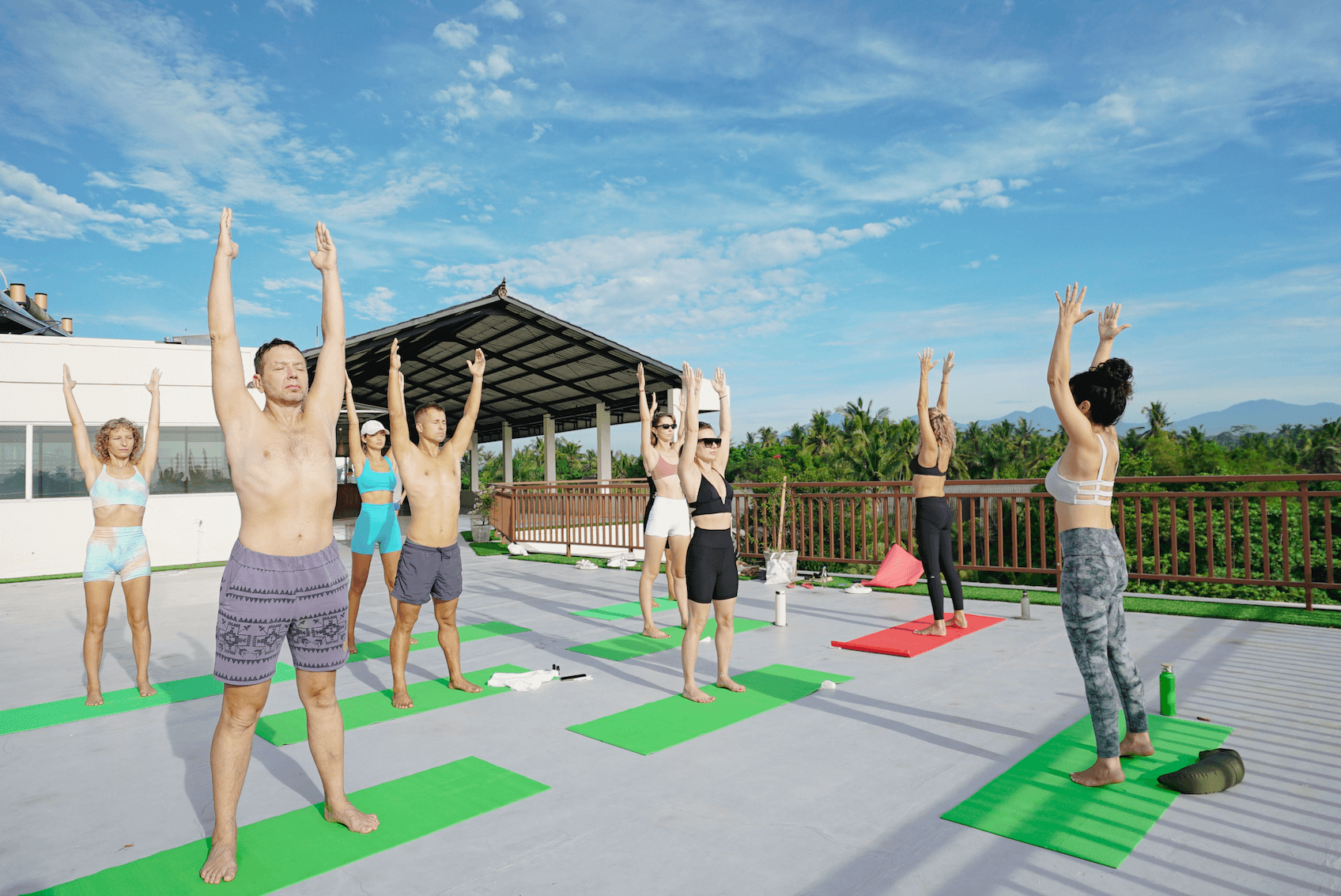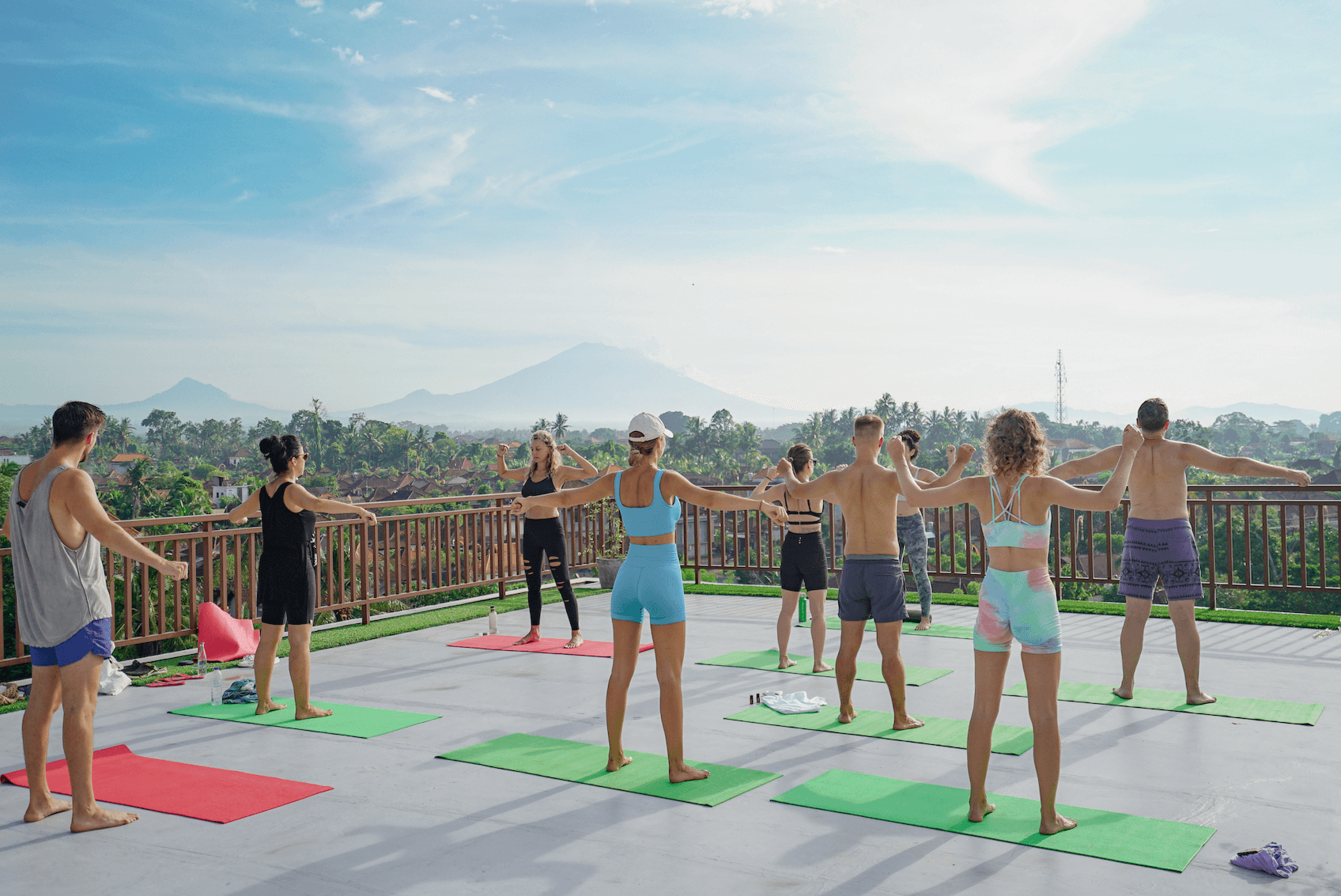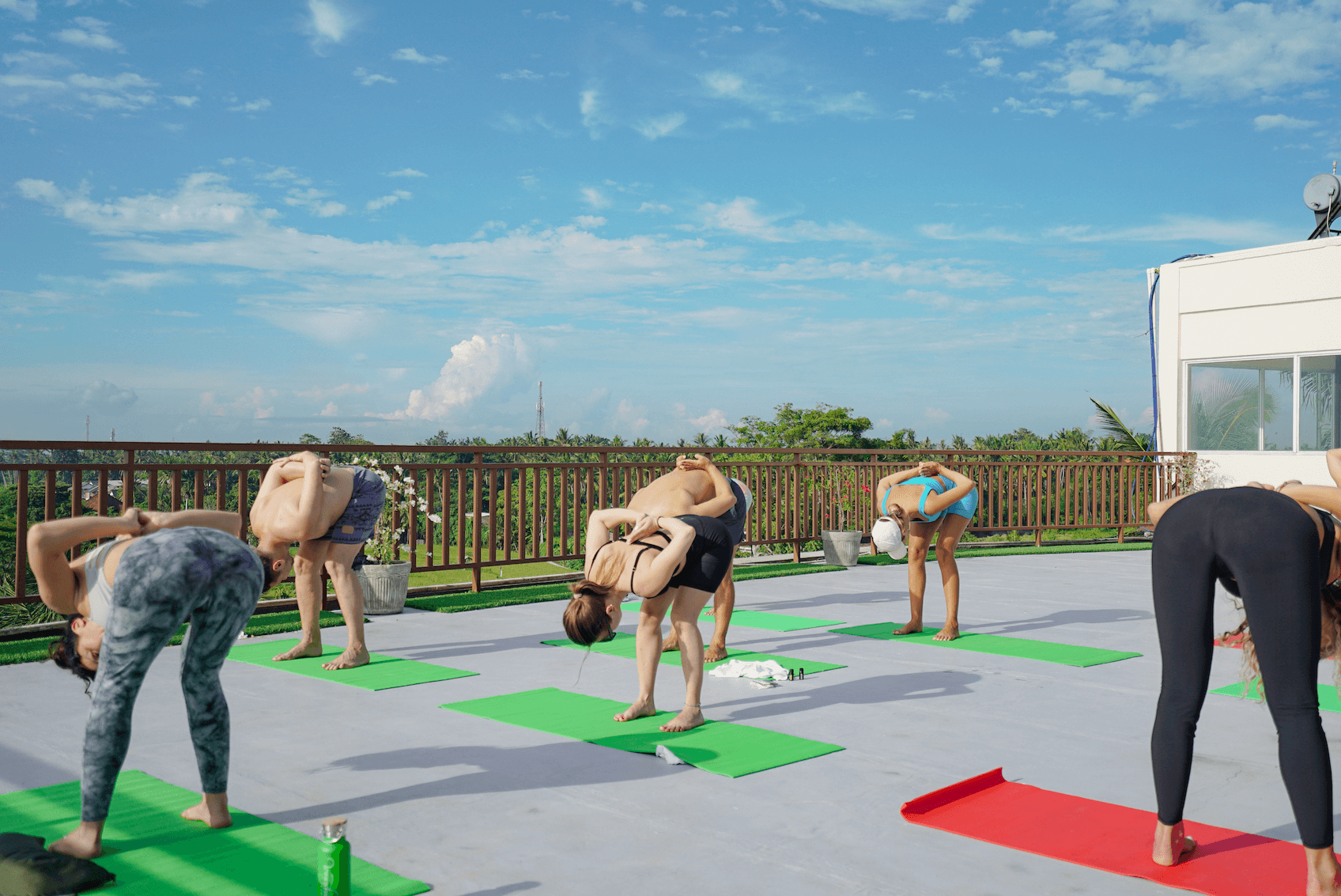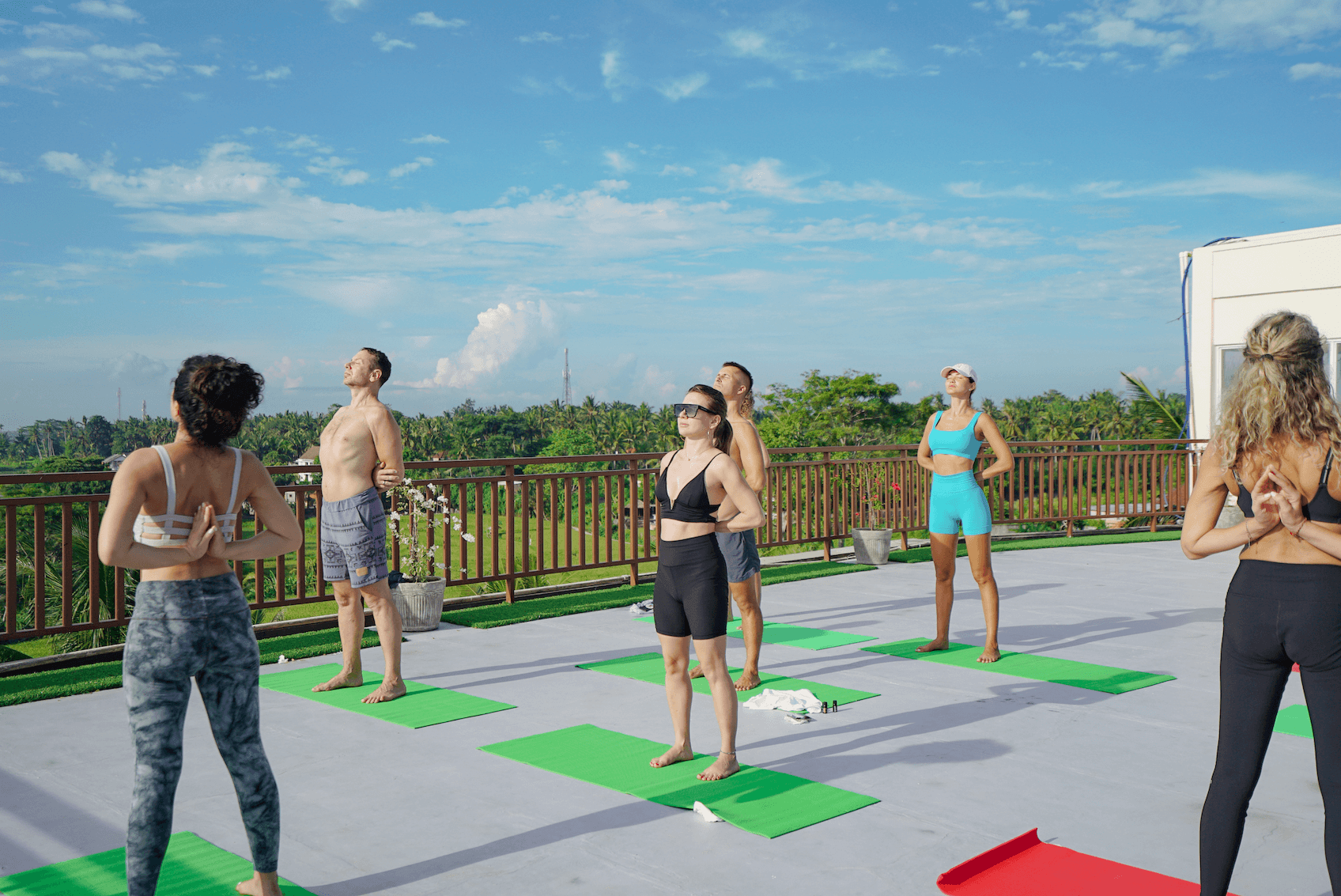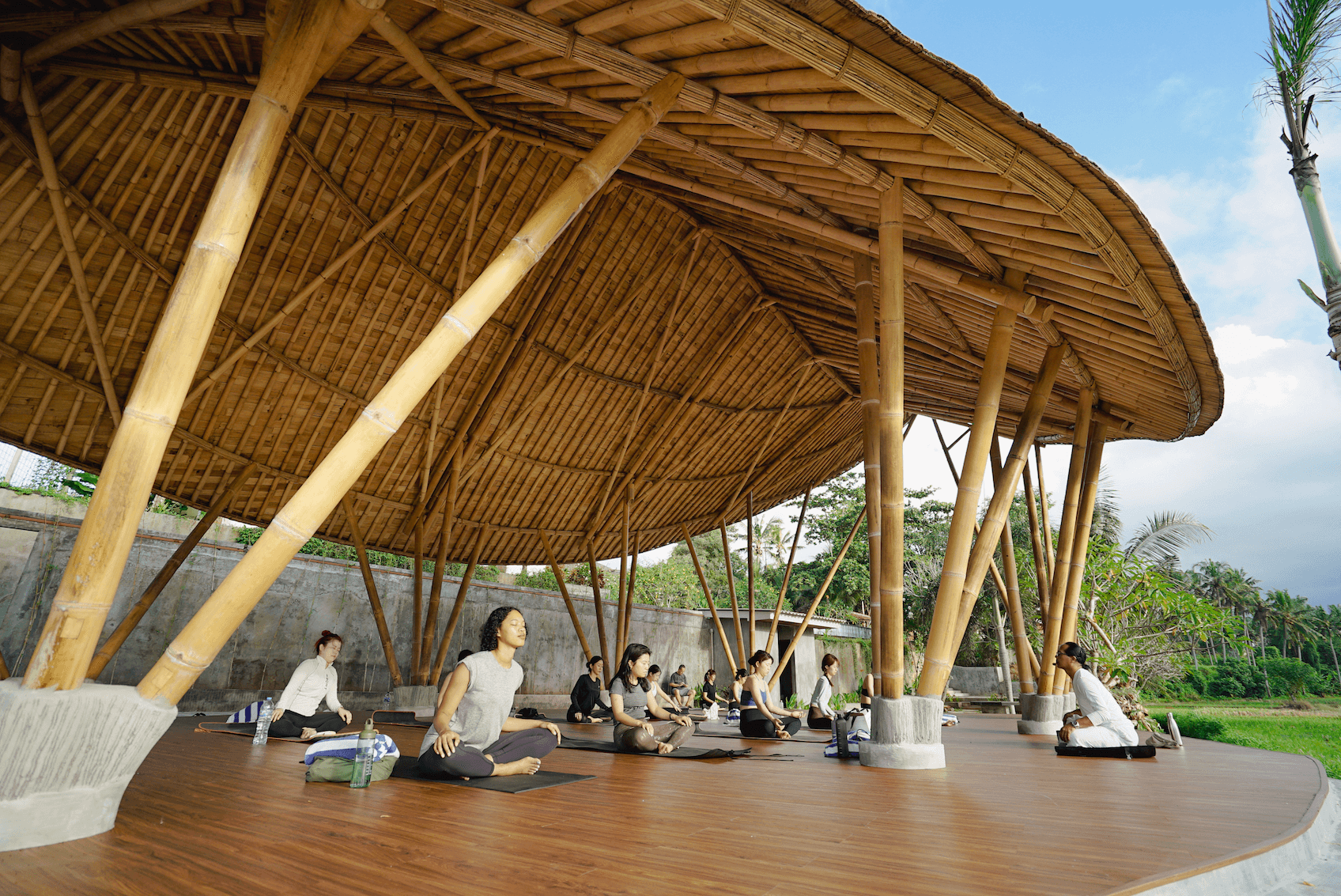
Yoga is a holistic practice that combines physical postures, breath control, meditation, and ethical principles to promote overall well-being. Here’s a brief overview:
Types of Yoga:
- Hatha Yoga: Focuses on physical postures and is great for beginners.
- Vinyasa Yoga: Involves flowing movements that connect breath with motion.
- Ashtanga Yoga: A dynamic and structured practice with a set series of poses.
- Iyengar Yoga: Emphasizes alignment and uses props to support poses.
- Bikram Yoga: Practiced in a heated room, following a specific sequence of 26 postures.
Benefits:
- Physical Health: Increases flexibility, strength, and balance; aids in stress relief and relaxation.
- Mental Clarity: Enhances focus, concentration, and mental resilience.
- Emotional Well-Being: Promotes mindfulness and can help reduce anxiety and depression.
- Spiritual Connection: Encourages self-awareness and a deeper connection to oneself.
Key Elements:
- Asanas (Postures): The physical poses that form the foundation of yoga practice.
- Pranayama (Breath Control): Techniques to regulate breath, enhancing vitality and calming the mind.
- Meditation: Practices to cultivate mindfulness, focus, and inner peace.
- Ethics: Principles such as non-violence (ahimsa) and truthfulness (satya) guide the practice.
Conclusion:
Yoga is adaptable to all ages and fitness levels, making it a versatile tool for enhancing physical and mental health. Whether practiced at home or in a class, it encourages a balanced and mindful approach to life.